Tamaudun
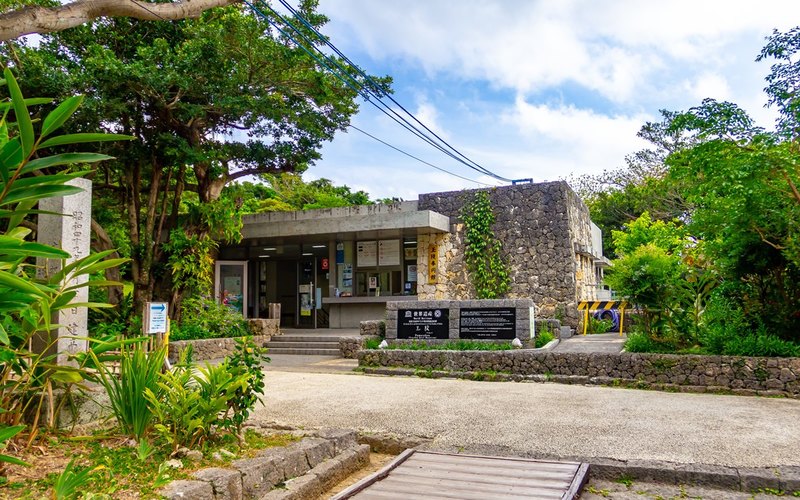
Tamaudun, registered as part of the UNESCO World Heritage Site “Gusuku Sites and Related Properties of the Kingdom of Ryukyu,” is a royal mausoleum of the Ryukyu Kingdom built in 1501.
Okinawa is well known for its large tombs, and Tamaudun is the largest and oldest example of a “hafu-baka,” or gabled tomb, in the prefecture. Constructed using natural rock formations, the tomb consists of three separate chambers.
The word “hafu,” literally meaning “breaking the wind,” refers to the gabled shape of the roof. Like a traditional house, the sides of the roof form triangular shapes.
Meanwhile, the open space in front of the tombs reflects the Okinawan custom of conducting memorial rituals before the graves.
The stone balustrades are decorated with carvings of dragons, lions, birds, and lotus flowers. Among them, the bat—regarded in China as a symbol of good fortune—has become a symbolic motif of Tamaudun.
Although the current structure was restored after suffering severe damage during the Battle of Okinawa, Tamaudun remains an extremely important historical site for understanding Ryukyuan architecture and the royal family’s funeral traditions.
〒903-0815
1-3 Shuri Kinjo-cho, Naha City, Okinawa Prefecture

[Gyokuryo Management Office] 098-885-2861
World Heritage Site, National Treasure and Important Cultural Property (Architectural Structure)
9:00 AM - 6:00 PM (Last admission at 5:30 PM)
Open year-round
Adults: 300 yen, Children (junior high school students and younger): 150 yen, Preschoolers: Free
Approx. 15-minute walk from Shuri Station on the Yui Rail
Take Bus [1], [14], [17], or [346] and get off at “Shurijo Park Entrance,” then walk approx. 5 minutes
Take Bus [7] or [8] and get off at “Shurijo-mae,” then walk approx. 1 minute
※The written notice and information on this page are as of the date of publication. Please refer or confirm the latest information of each spot on individual introduced website.